
Mold Testing in Casey Village, PA

Find Out What's Growing Before It Spreads

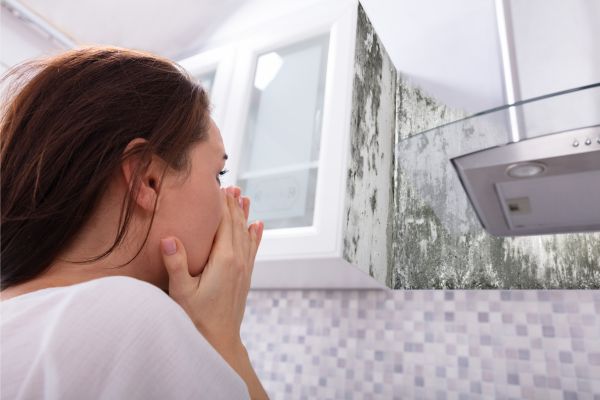
You’re dealing with musty smells, health symptoms that won’t quit, or visible spots you can’t ignore. Professional mold testing gives you answers—not guesswork.

Hear from Our Customers

Professional Mold Testing Services

Know Exactly What You're Dealing With

Mold doesn’t always show itself. It hides behind walls, under floors, in crawl spaces and attics where moisture sits unnoticed. By the time you see it or smell it, there’s usually more than what’s visible.

That’s where professional mold testing changes everything. You get lab-certified results that tell you the type of mold, the concentration in your air, and where it’s coming from. Not a guess. Not a maybe. Real data you can act on.

If you’re buying or selling a home in Casey Village, PA, mold testing protects your investment. If you’re living with symptoms like headaches, fatigue, or respiratory issues that improve when you leave the house, testing confirms whether mold is the cause. And if you’ve had water damage—even months ago—testing shows whether it turned into a mold problem.

You’re not overreacting. You’re being smart.

Certified Mold Inspector in Casey Village

Two Decades Testing Bucks County Homes

We’ve been testing air quality and inspecting for mold in Bucks County for over 20 years. We’re InterNACHI certified, with more than 2,000 inspections completed across the region. We know how homes are built here, where moisture problems show up, and what mold issues are common in Casey Village and surrounding areas.

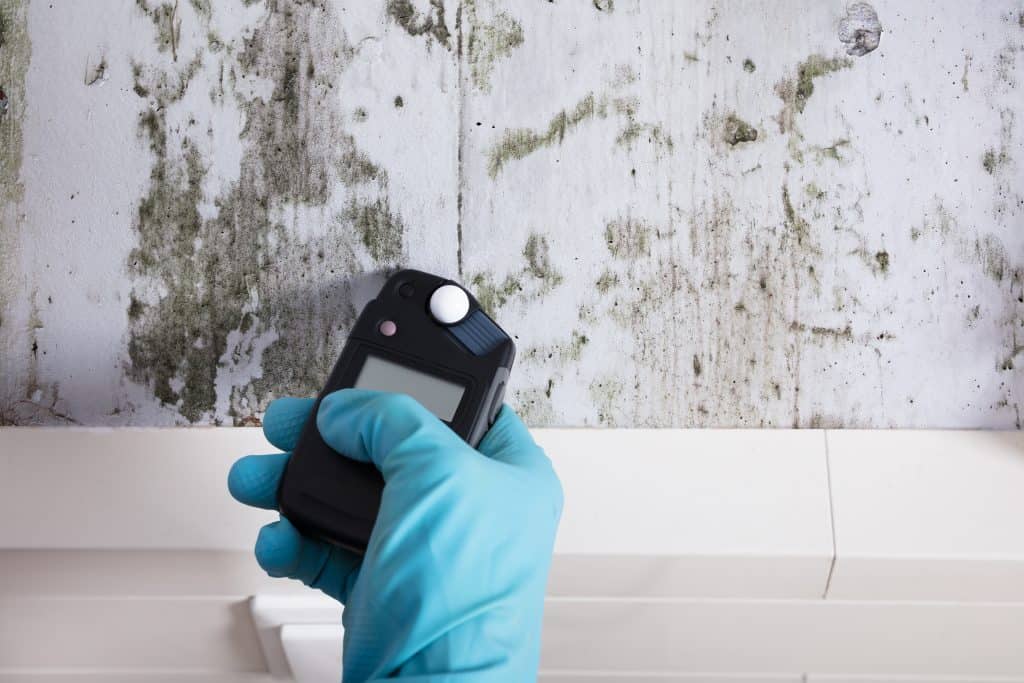
We use thermal cameras, moisture meters, laser particle counters, and lab-grade sampling methods. Every test gets sent to an EPA-certified lab, and you receive a detailed report that breaks down what was found, where it is, and what it means for your home and health.

You’re not getting a sales pitch. You’re getting a clear picture of what’s happening in your house so you can make informed decisions about what comes next.

How Our Mold Testing Works

Here's What Happens During Your Inspection

First, we walk through your home and talk about what you’ve noticed—smells, stains, health symptoms, water damage history. We’re looking for visible signs, but also moisture sources that create conditions for mold growth.

Next, we use specialized equipment to measure moisture levels in walls, ceilings, and floors. High moisture readings tell us where mold is likely hiding. We also use thermal imaging to detect temperature differences that indicate water intrusion or poor ventilation.

Then comes sampling. We collect air samples from multiple rooms to measure mold spore concentration. If there’s visible growth or suspicious areas, we take surface samples too. Everything gets labeled and sent to a certified lab for analysis.

Within a few days, you get a comprehensive report. It identifies the types of mold present, compares indoor vs outdoor spore counts, and explains what the findings mean. If remediation is needed, the report outlines exactly what should be addressed and why. If levels are normal, you have documentation proving your home is clear.

Ready to get started?

Explore More Services

About Mack's Mold Removal

Residential Mold Testing in Bucks County

What's Included in Your Mold Inspection

Your mold testing includes a full visual inspection of your property, moisture mapping with professional-grade meters, air quality sampling from multiple locations, and surface testing where needed. You’re getting a thorough assessment, not a quick walkthrough.

In Casey Village and throughout Bucks County, basements and crawl spaces are common problem areas. Older homes with stone foundations, poor drainage, or outdated waterproofing systems create perfect conditions for mold. Attics with inadequate ventilation trap moisture, especially after winter ice dams or summer humidity. We know where to look because we’ve seen these patterns hundreds of times.

Your lab report breaks down mold types—whether it’s common species like Cladosporium and Penicillium, or more concerning types like Stachybotrys (black mold). The report also includes recommendations. Sometimes it’s as simple as fixing a leak and improving ventilation. Other times, professional remediation is necessary to remove contaminated materials safely.

If you’re dealing with a real estate transaction, insurance claim, or tenant dispute, this documentation gives you what you need. And if you’re just trying to figure out why your family keeps getting sick, it gives you answers.

How much does mold testing cost in Casey Village, PA?

Mold testing typically runs between $200 and $800 depending on the size of your property and how many samples are needed. A small home with one or two areas of concern costs less than a large property requiring multiple air samples and surface tests.

The price includes the inspection itself, laboratory analysis, and a detailed report of findings. Some companies charge separately for the inspection and lab fees—make sure you’re clear on what’s included before you book.

If you’re comparing prices, remember that cheap testing often means fewer samples, less thorough inspections, or reports that don’t give you actionable information. You’re paying for accuracy and expertise, not just a number on a page.

A mold inspection is a visual assessment where we look for visible mold, moisture problems, and conditions that promote mold growth. It’s useful for identifying obvious issues and determining whether testing is necessary.

Mold testing goes further. It involves collecting air and surface samples that get analyzed in a lab to identify specific mold types and measure spore concentrations. Testing tells you what kind of mold is present, how much is in your air, and whether levels are abnormal compared to outdoor air.

We do both—we inspect first, then test based on what we find. If you have visible mold, you might not need testing to know there’s a problem. But if you’re experiencing symptoms with no visible source, or if you need documentation for a real estate deal or insurance claim, testing provides the proof you need.

Lab results typically come back within 3 to 5 business days after samples are collected. Some labs offer rush processing for an additional fee if you need results faster for a closing date or urgent situation.

The inspection itself usually takes 1 to 3 hours depending on the size of your home and how many areas need attention. We’ll walk you through preliminary findings on-site, but the official report with lab analysis comes after samples are processed.

When you receive your report, it should be easy to understand—not full of technical jargon. It’ll show spore counts, identify mold species, compare indoor and outdoor levels, and explain what the numbers mean for your specific situation. If remediation is recommended, the report will detail what needs to be done.

You can buy DIY mold test kits at hardware stores, but they have serious limitations. Most only tell you that mold is present—which isn’t helpful since mold spores exist in every home. They don’t measure concentration levels or identify specific types, and they often miss hidden mold entirely.

DIY kits also can’t tell you whether mold levels are abnormal or dangerous. Without comparing indoor spore counts to outdoor baseline levels, you have no context for what the results mean. And if you’re dealing with a real estate transaction or insurance claim, DIY results typically aren’t accepted as valid documentation.

Professional mold testing uses calibrated equipment, follows strict sampling protocols, and sends samples to certified labs. You get accurate data, expert interpretation, and a report that actually helps you make decisions. If you’re serious about understanding what’s in your home, professional testing is worth the investment.

The most common molds in Bucks County homes are Cladosporium, Penicillium, Aspergillus, and Alternaria. These are found in most environments and typically cause allergic reactions or respiratory irritation in sensitive individuals. They thrive in damp areas like basements, bathrooms, and anywhere moisture accumulates.

Stachybotrys chartarum—often called black mold—is less common but more concerning. It grows on materials with high cellulose content like drywall, wood, and paper when they stay wet for extended periods. It produces mycotoxins that can cause serious health effects, especially in children, elderly individuals, and people with compromised immune systems.

In Casey Village and surrounding Bucks County areas, basement moisture and attic condensation are the biggest culprits. Older homes with stone foundations, poor grading, or outdated waterproofing systems are especially vulnerable. Professional testing identifies exactly which molds are present so you know whether you’re dealing with a minor irritant or a serious health risk.

Yes. Professional mold testing provides clear data about whether remediation is necessary. The lab report shows mold spore concentrations in your indoor air compared to outdoor baseline levels. If indoor counts are significantly higher, or if toxic mold species are present, remediation is recommended.

The report also identifies moisture sources and conditions that allowed mold to grow. Sometimes the fix is straightforward—repair a leak, improve ventilation, reduce humidity. Other times, contaminated materials need to be removed and replaced by professionals who follow proper containment and safety protocols.

Testing gives you documentation to make informed decisions. If you’re selling your home, it shows buyers exactly what they’re dealing with. If you’re buying, it protects you from inheriting someone else’s mold problem. And if you’re living with health symptoms, it confirms whether mold is the cause and what needs to happen to fix it. You’re not guessing. You’re working with facts.

Other Services we provide in Casey Village